15% off all vials
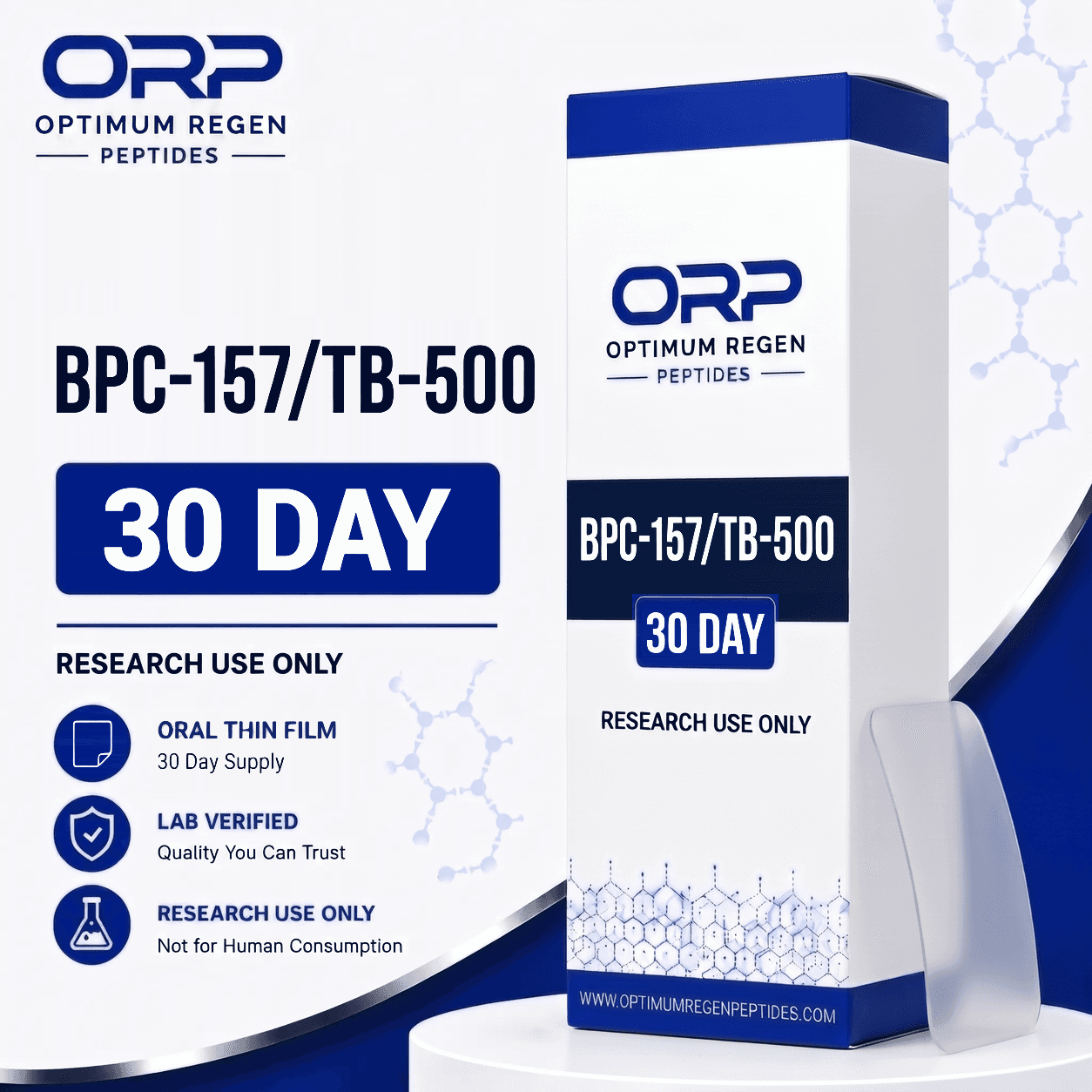
BPC-157 Oral Thin Film product image

BPC‑157 Oral Thin Film

BPC-157 is the pentadecapeptide studied in tissue-repair research, supplied as a research oral thin film.

$225
Presale · ships by Mon, Nov 92-Day Priority Air anywhere in the US

New product line: orders ship from Nov 9, then 2-Day Priority Air.

1
Secure checkout2-Day Priority Air

Complete the order

Frequently bought together

Supplies and compounds researchers add to this order

Finding add-ons…
Shipping & returns
  • Presale: orders ship from Nov 9.
  • 2-Day Priority Air: $13 flat anywhere in the US, or pick up in Medford.
  • Tracking is emailed the moment your order ships.
  • Research compounds are final sale; see the refund policy.
Lab sheet

BPC-157 Oral Thin Film details

Identity, purity and handling data for this compound, in one place. Tap an identifier to copy it.

Certificate of analysis
Not published yet

A third-party certificate for BPC-157 Oral Thin Film is not published here yet. If your work needs one, ask us before ordering and we will tell you what testing is available for the current lot.

Ask about a certificate
Molecular Formula
C62H98N16O22
Molar Mass
1419.5 g/mol
CAS Number
137525-51-0
Form
Oral thin film (OTF), boxed
Full data sheet+
Sizes
30 Day Supply
Purity
A batch report is not yet published for this format. Contact ORP before ordering if you need one.

For research use only. Not for human consumption.

Overview

About BPC-157 Oral Thin Film

BPC-157 is supplied in oral thin film (OTF) format: thin, dissolvable film strips packed in a box.

Read more

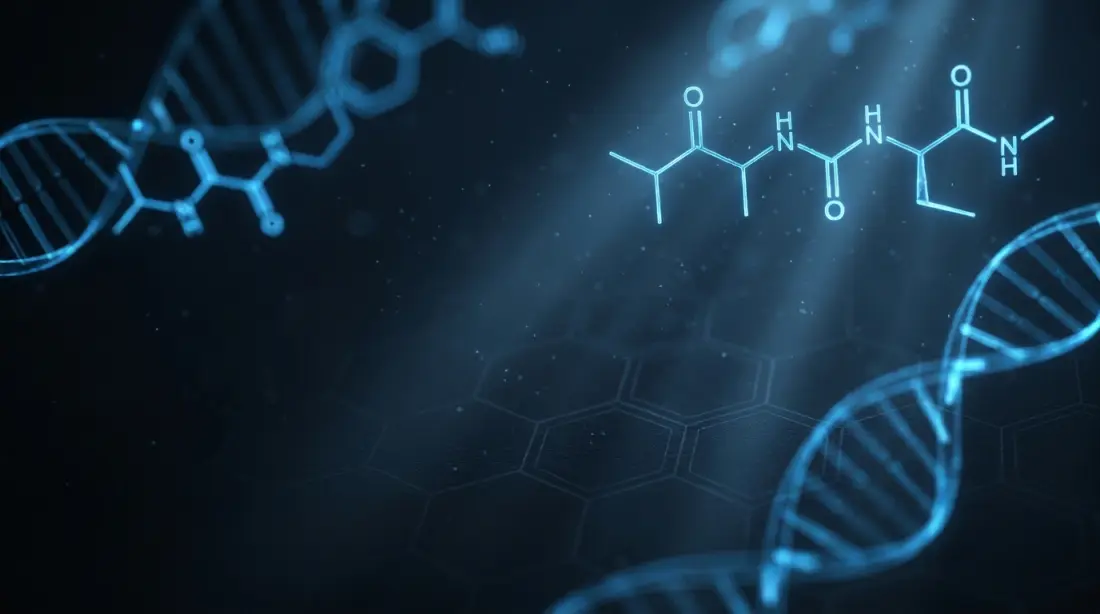
BPC-157 (Body Protection Compound-157) is a pentadecapeptide consisting of 15 amino acids, derived from a partial sequence of human gastric juice protein BPC. It was first described in the early 1990s, and since then has been extensively studied in preclinical models for its effects on tissue repair, angiogenesis, and gastrointestinal function.

A substantial body of peer-reviewed research, largely conducted in rodent models, has investigated BPC-157's interactions with the nitric oxide (NO) system, growth hormone receptors, and vascular endothelial growth factor (VEGF) pathways. These studies have examined its stability in gastric acid and its systemic availability following different routes of administration in controlled laboratory settings.

BPC-157 has attracted significant scientific attention due to its apparent multi-tissue activity in research models, with studies spanning tendon, muscle, bone, nerve, and gastrointestinal tissue. Its mechanism of action remains an active area of investigation, with researchers exploring interactions between this peptide and multiple signaling networks involved in cellular repair and cytoprotection.
Research context

What BPC-157 Oral Thin Film is researched for

The areas where this compound appears in the published research literature.

0103 areas

Tendon and ligament repair models

BPC-157 has been among the most frequently studied peptides in tendon healing research, with numerous animal studies examining how it affects fibroblast proliferation, collagen organization, and the speed of structural repair in severed or damaged tendon tissue.

0203 areas

Gastrointestinal mucosal integrity

Research has studied BPC-157 in models of gastric ulceration, inflammatory bowel conditions, and intestinal anastomosis, investigating its cytoprotective properties and interactions with the gut lining at the cellular level.

0303 areas

Angiogenesis and vascular research

Laboratory studies have examined BPC-157's role in stimulating new blood vessel formation, with researchers investigating its modulation of VEGF expression and endothelial cell activity in wound healing and ischemia models.

Methodology

How BPC-157 Oral Thin Film is studied

  1. 01Method 1BPC-157 research in tendon and muscle models typically involves surgical transection or crush injury in rodents, followed by localized or systemic administration of the peptide.+

    BPC-157 research in tendon and muscle models typically involves surgical transection or crush injury in rodents, followed by localized or systemic administration of the peptide. Outcome measures include biomechanical tensile strength testing of repaired tissue, histological scoring of collagen fiber organization, and immunohistochemical staining for fibroblast and endothelial cell markers.

  2. 02Method 2Gastrointestinal studies employ chemically induced lesion models (cysteamine, indomethacin, alcohol) in rats, with BPC-157 administered before or after injury.+

    Gastrointestinal studies employ chemically induced lesion models (cysteamine, indomethacin, alcohol) in rats, with BPC-157 administered before or after injury. Researchers measure lesion area via endoscopic or gross pathology examination, alongside molecular markers of inflammation such as TNF-alpha, IL-1 beta, and COX-2 expression in gastric tissue samples.

Storage protocols

BPC-157 Oral Thin Film storage and handling

Full handling protocol+

Keep the package sealed and store it as labeled on the product, away from heat, direct light and moisture.

Supplied for laboratory research use only. Not for human or animal use, and not intended to diagnose, treat, cure, or prevent any disease.

Ordering & shipping

Buy BPC-157 Oral Thin Film online

BPC-157 Oral Thin Film for sale from Optimum ReGen Peptides, a US research-peptide company with a storefront in Medford, Oregon. It is in stock, priced from $225. Every order ships 2-Day Priority Air, a $13 flat rate anywhere in the US, with tracking, or can be picked up at the store.

BPC-157 Oral Thin Film is supplied as oral thin film (otf), boxed, for laboratory and research use only, not for human consumption.

FAQ

BPC-157 Oral Thin Film FAQ

What format is BPC-157 Oral Thin Film?
BPC-157 is supplied in oral thin film (OTF) format: thin, dissolvable film strips packed in a box. It is sold for laboratory research.
Is BPC-157 Oral Thin Film for human use?
No. Supplied for laboratory research use only. Not for human or animal use, and not intended to diagnose, treat, cure, or prevent any disease.
Is a batch report available for BPC-157 Oral Thin Film?
A batch report is not yet published for this format. Contact ORP before ordering if you need one.
How extensive is the published research on BPC-157?
BPC-157 has one of the largest preclinical research profiles among synthetic peptides, with hundreds of peer-reviewed studies published primarily in rodent models. Research spans gastrointestinal, musculoskeletal, and neurological injury models. All published work is preclinical in nature.
What is the proposed mechanism of action studied in BPC-157 research?
Researchers have investigated multiple pathways, including modulation of the nitric oxide system, upregulation of VEGF and its receptors, interaction with growth hormone receptor signaling, and effects on FAK-paxillin and MAPK pathways involved in cell migration and proliferation.
Research library

BPC-157 Oral Thin Film research guides

Optimum ReGen Peptides

Optimum ReGen Peptides provides high-quality peptide compounds for laboratory research applications. All research products, including all peptides, are strictly for research purposes only and are not intended for human consumption.

Research products are intended for laboratory research purposes only. Not for human consumption. Our tallow skincare products are topical cosmetics for external use only. No product is intended to diagnose, treat, cure, or prevent any disease.

Get new drops & restocks

New compounds, restock alerts, and updates from a real US lab. Research use only.

Payment options are checked at checkout

© 2026 Optimum ReGen Peptides. All rights reserved.
Engineered for Consistency. Built for Research.