
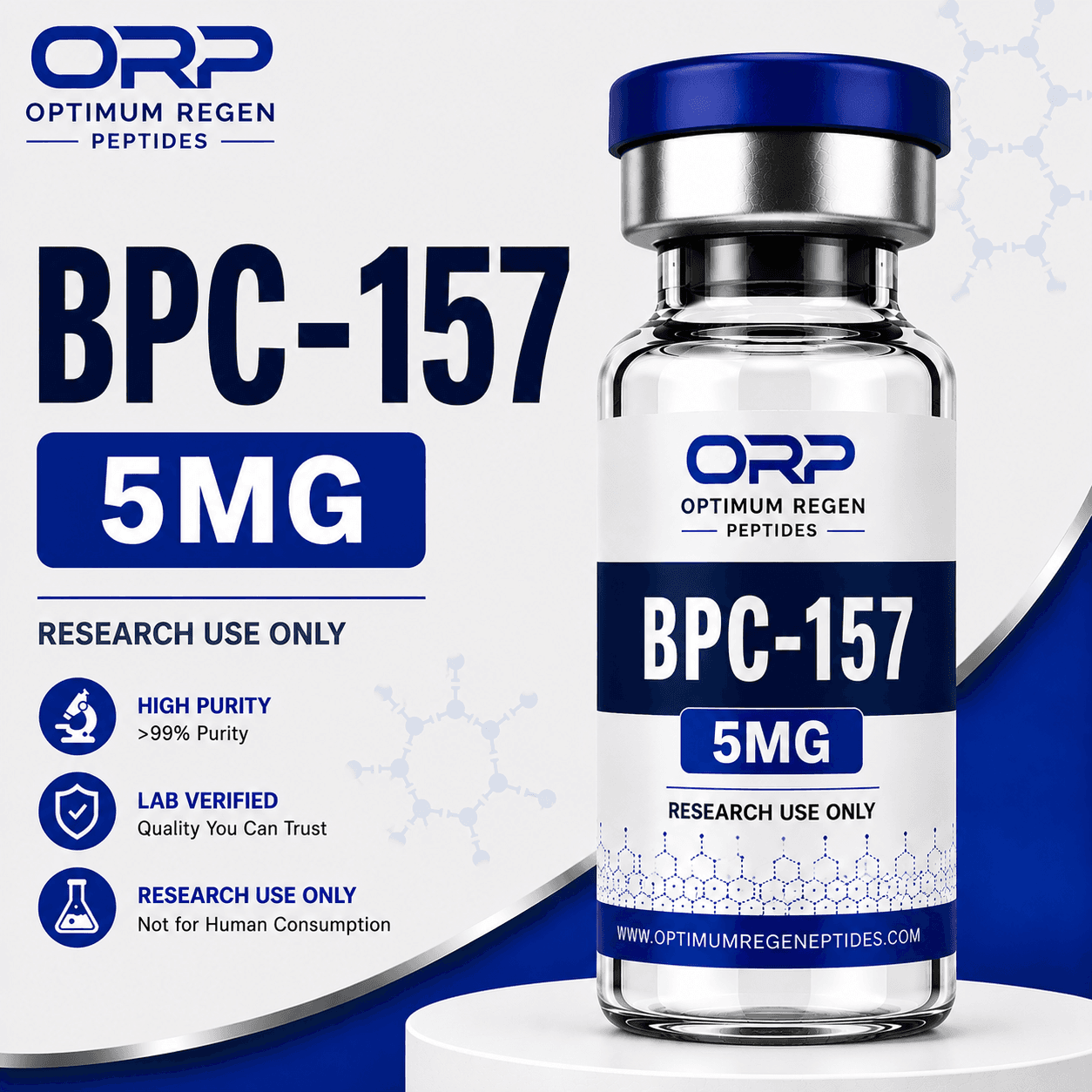
ReferenceBPC-157

All research products on this site, including all peptides, are sold strictly for laboratory and research use only, not for human or animal consumption, diagnostic, or therapeutic use. Our tallow skincare products are topical cosmetics. You must be 21 or older to enter.
By entering you confirm you are 21+ and accept these products are for research use only. See our Terms and Disclaimer.
Clear, referenced guides on reconstituting, storing and verifying research peptides, plus primers on the compounds researchers ask about most. Written for laboratory research, never as medical or dosing advice.
Three guides, about 24 minutes, in the order that makes sense.
A foundational explainer covering what peptides are at the molecular level, how research peptides are synthesized and supplied, what Research Use Only labeling means, and how these materials differ from approved pharmaceutical products.
8 min readA step-by-step laboratory reference covering sterile technique, bacteriostatic water selection, and conceptual concentration calculations for lyophilized peptide preparations.
8 min readA field-by-field walkthrough of a real peptide certificate of analysis: HPLC purity, LC-MS identity, net content, lot and search code, and how to verify the document with the lab that issued it.
8 min readBackground, mechanism and laboratory context for compounds in our catalog, each linked to the product and its certificate.
How-to guides, comparisons, references and the legal picture. Search by compound or filter by topic.
14 guides
A step-by-step laboratory reference covering sterile technique, bacteriostatic water selection, and conceptual concentration calculations for lyophilized peptide preparations.
A field-by-field walkthrough of a real peptide certificate of analysis: HPLC purity, LC-MS identity, net content, lot and search code, and how to verify the document with the lab that issued it.
A comparative research overview of BPC-157 (a synthetic pentadecapeptide) and TB-500 (a thymosin beta-4 fragment), examining their structural differences, mechanisms studied in preclinical research, and how they are typically investigated.
A technical reference explaining the distinction between purity and identity, the testing methods used to measure each, and what the numbers on a certificate of analysis actually represent for research applications.
Practical reference for researchers on storing lyophilized and reconstituted peptides: temperature requirements, light sensitivity, freeze-thaw cycles, shelf life considerations, and laboratory best practices.
A neutral, plain-language overview of the regulatory status of research peptides in the United States as of 2026, including FDA Research Use Only (RUO) framing, recent agency actions, and what the current landscape means for legitimate laboratory researchers.
What BPC-157 is, the research models it appears in, and how it is handled in the laboratory. A factual, research-use-only reference for the synthetic pentadecapeptide.
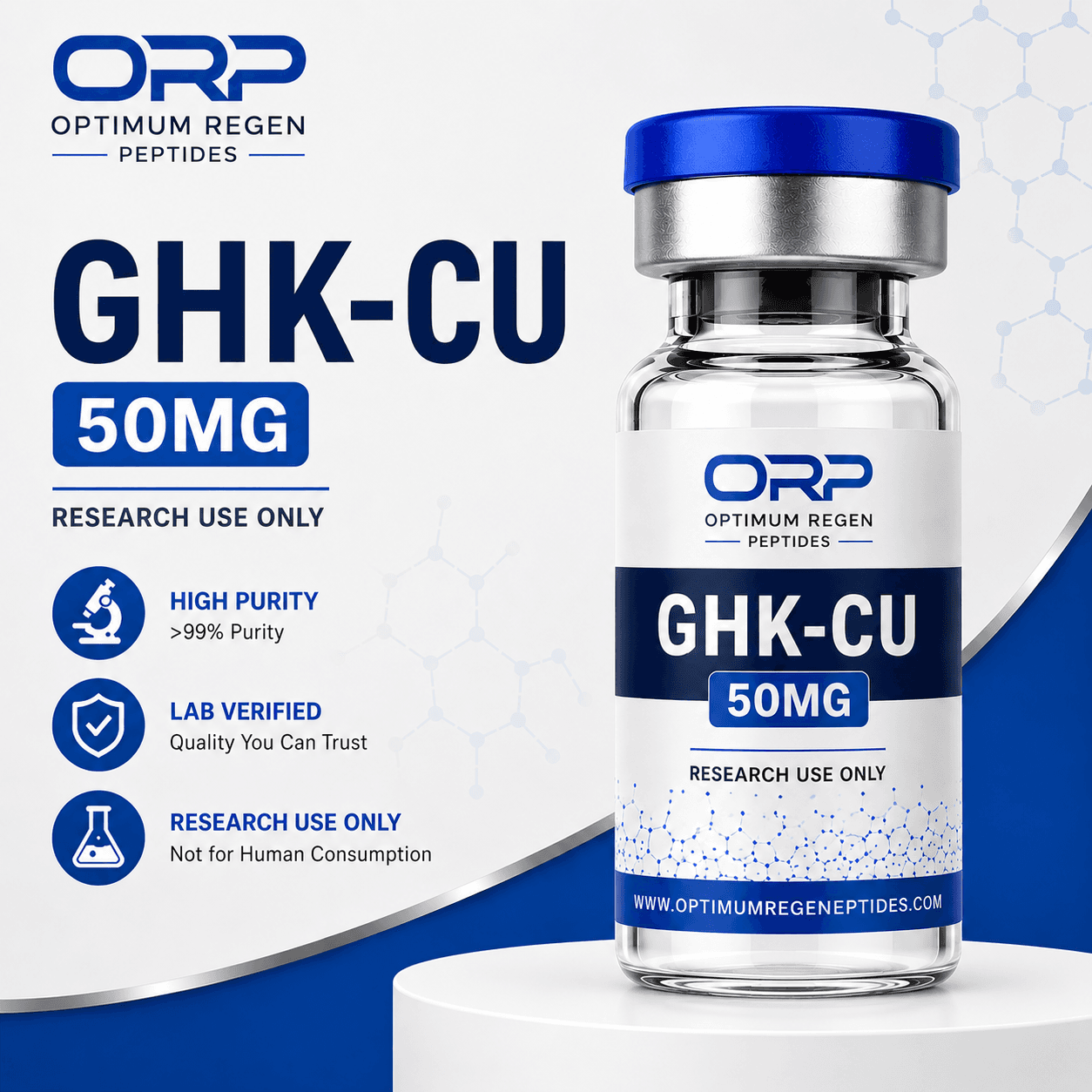
What the copper tripeptide GHK-Cu is, the research and cosmetic-science contexts it appears in, and how it is handled in the lab. A factual, research-use-only reference.
A foundational explainer covering what peptides are at the molecular level, how research peptides are synthesized and supplied, what Research Use Only labeling means, and how these materials differ from approved pharmaceutical products.
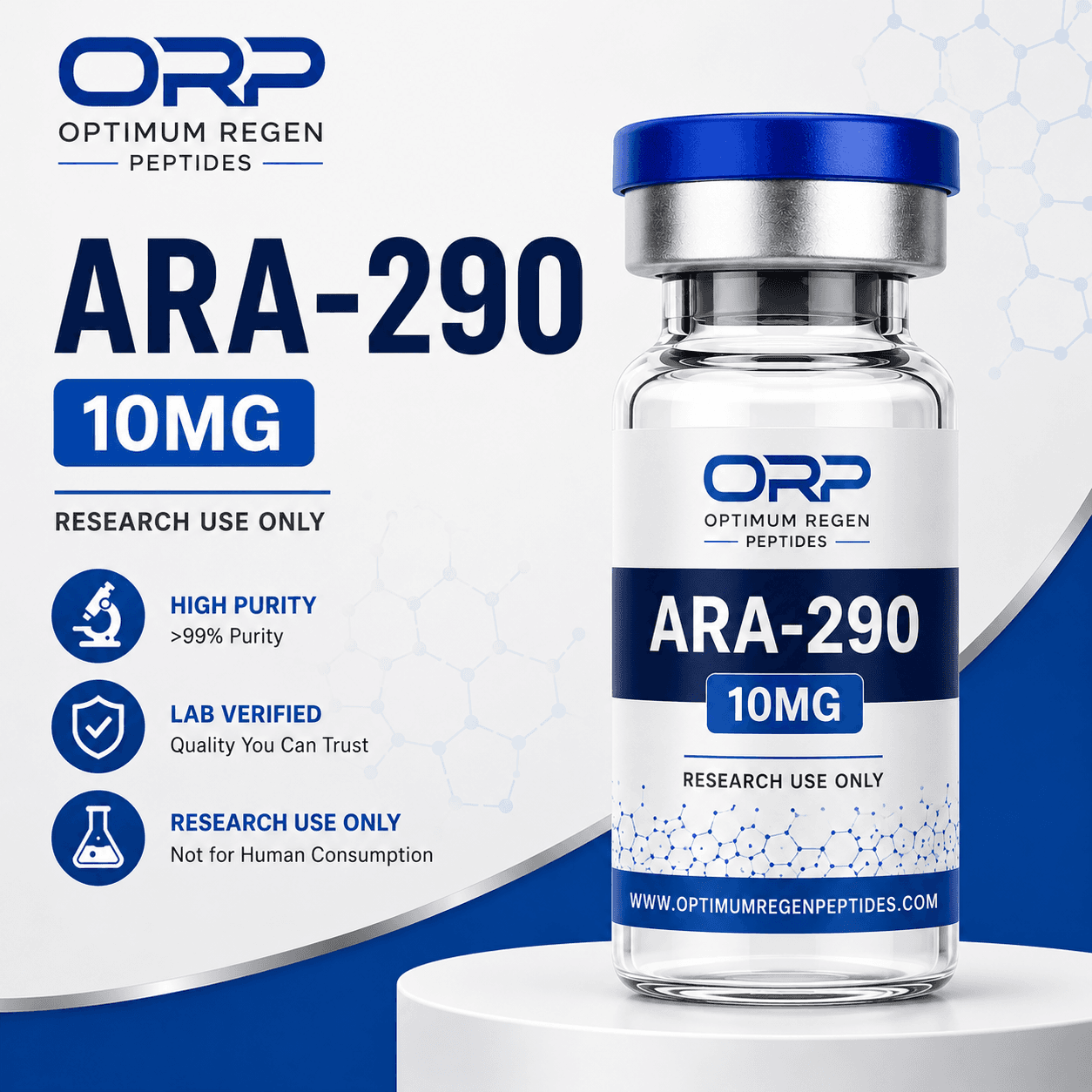
ARA-290 (cibinetide) is a synthetic 11-amino-acid peptide derived from erythropoietin, studied preclinically for tissue protection and neuropathic pain without erythropoietin's blood effects.
A laboratory-preparation reference for reconstituting lyophilized ARA-290 (cibinetide): solvent selection, sterile technique, a worked concentration example, and storage of the prepared solution.
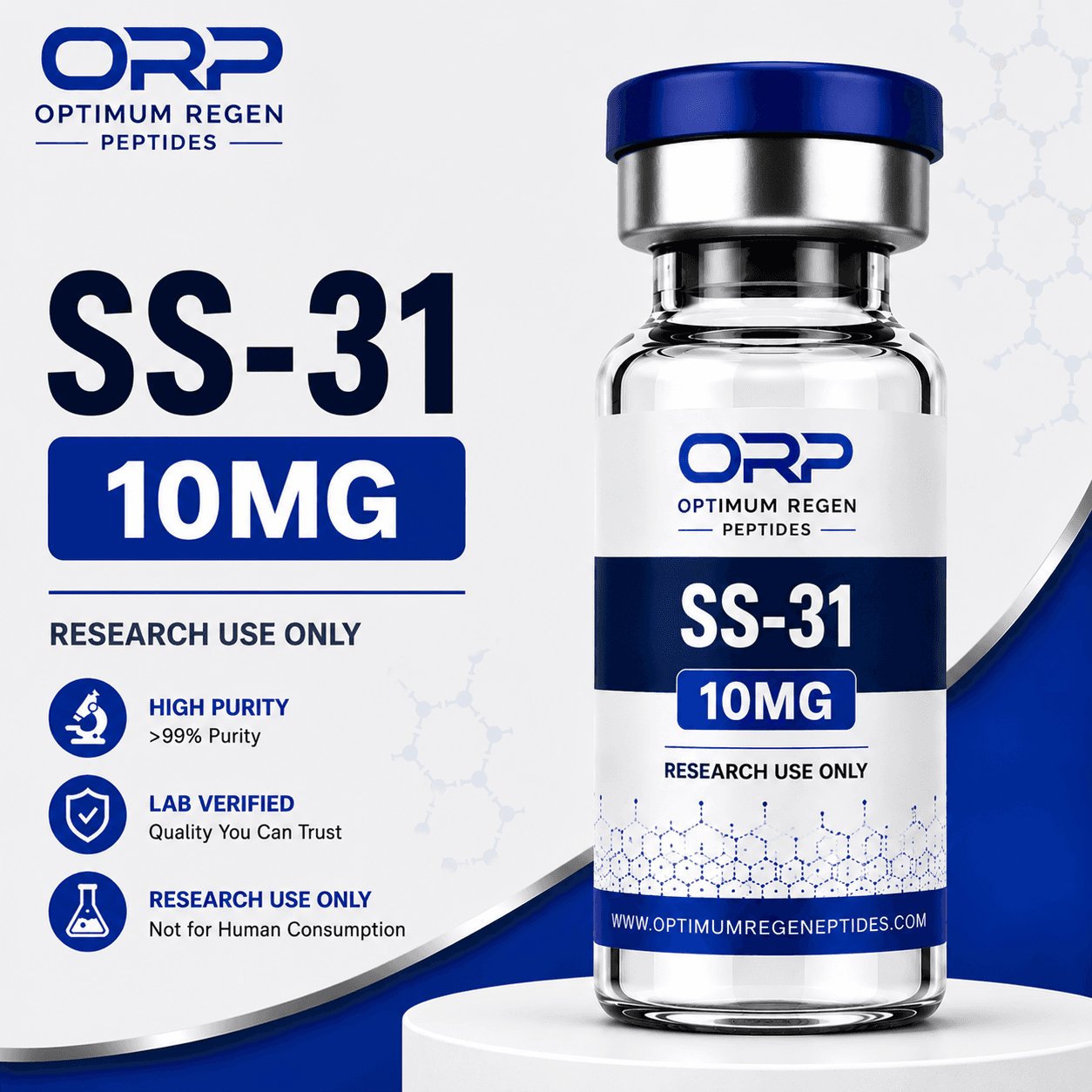
A factual, research-use-only overview of SS-31 (elamipretide, MTP-131), the mitochondria-targeting tetrapeptide studied in preclinical models of oxidative stress, ischemia-reperfusion, heart failure, and Barth syndrome.
A factual, research-use-only overview of semaglutide as a synthetic GLP-1 receptor agonist peptide: its structural basis, the receptor signaling pathway it is used to study, and how it is handled as a laboratory compound.
A practical checklist for evaluating research peptide suppliers: independent lab testing, batch-specific certificates of analysis, traceability, business transparency, and RUO labeling.
Ask a real person on our team, or shop the compounds these guides cover.